• Skip to primary navigation
  • Skip to main content
  • Skip to primary sidebar
  • Texas A&M Forest Service
  • Texas A&M Veterinary Medical Diagnostics Laboratory
  • Texas A&M AgriLife Extension Service
  • Texas A&M AgriLife Research
  • Texas A&M College of Agrculture and Life Sciences
A Diagnostics Tool for Pond Plants and Algae
  • Menu
  • Home
  • Identify a Plant
  • FAQs
    • FAQs List
    • Do I need a permit?
    • Glossary
  • AquaExtension Events & Learning
  • Videos
  • Get Help

Dotted Smartweed

Persicaria punctata (Polygonum punctatum)
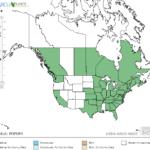
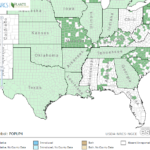
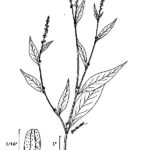
Illustration: USDA-NRCS PLANTS Database / USDA NRCS. Wetland flora: Field office illustrated guide to plant species. USDA Natural Resources Conservation Service.

What is Dotted Smartweed?

Physical Characteristics

Leaves:

  • Sword-shaped
  • 2-6 inches long
  • 0.2-0.8 inches wide
  • Short leaf stalks

Flowers:

  • Green to greenish white in color
  • Less than 0.13 inches long
  • 5-parted
  • 6-8 stamen

Fruit:

  • One seeded
  • Does not open to release seed when ripe
  • Round
  • Bulging on both sides
  • 0.08-0.13 inches long
  • Rough texture
  • Dark brown or black in color
  • Shiny

Stem:

  • 1-3.25 feet tall
  • Straight
  • Simple or branching
  • Green above
  • Reddish below
  • Slightly swollen above nodes

Roots:

  • Rooting at nodes

Where Does it Grow?


USDA, NRCS The PLANTS Database (http://plants.usda.gov). National Plant Data Team, Greensboro, NC 27401-4901 USA.

Dotted smartweed can be found in shallow water in marshes, ponds and ditches.

Pros and Cons of Dotted Smartweed

Smartweed seeds are heavily consumed by ducks, small birds, and small mammals. Submerged portions of all aquatic plants provide habitats for many micro and macro invertebrates. These invertebrates in turn are used as food by fish and other wildlife species (e.g. amphibians, reptiles, ducks, etc). After aquatic plants die, their decomposition by bacteria and fungi provides food (called “detritus”) for many aquatic invertebrates.

How to Manage This Plant
Plant Glossary

AquaExtension Newsletter

Receive updates on upcoming webinars and newly published materials.

Sign Up Now

Newsletter Archive

Upcoming Events

Feb 7
Featured 9:00 am - 4:00 pm CST

“More Bass, Less Grass” Virtual Field Day Event

Feb 17
Featured 6:00 pm - 7:30 pm CST

Pond 365: Timing of Pond Practices

Feb 17
Featured February 17 @ 6:00 pm - October 20 @ 7:30 pm CST

2026 AquaExtension Webinar Series Bundle

View Calendar

Search for a type of plant

Hire a Professional Contact Your Ag & Natural Resource Agent Aquatic Plant Nurseries Aquatic Herbicide Tables
Texas A&M AgriLife Extension Service
Texas A&M University System Member

Follow Us

  • Facebook
  • Instagram
Click to view full permission and citation information

Aquatic plant photographs were provided by David Bayne, Jim Davis, Kelly Duffie, Billy Higginbotham, Michael Masser, John Clayton, Chetta Owens, Diane Smith, Joe Snow, Don Steinbach, Bridget Robinson Lassiter and Peter Woods.

You may use these photos, so long as you give credit to AquaPlant.

  • Compact with Texans
  • Privacy and Security
  • Accessibility Policy
  • State Link Policy
  • Statewide Search
  • Veterans Benefits
  • Military Families
  • Risk, Fraud & Misconduct Hotline
  • Texas Homeland Security
  • Texas Veteran's Portal
  • Equal Opportunity
  • Open Records/Public Information